
How to Prune Trees for Healthier Growth: A Professional Guide for Tree Owners and Gardeners
- SJB Contracting
- Feb 12, 2025
- 4 min read

Tree pruning is a vital practice for anyone who wants to ensure their trees grow healthily and thrive. While it may seem confusing to tackle the complicated array of branches and suckers, when done correctly, pruning can improve a tree's overall health, shape, and fruit production. This guide offers essential insights into tree pruning, making sure that both novice and experienced tree owners reap the benefits of effective practices.
Understanding the Importance of Pruning
Pruning is not just about making trees look nice; it is a key factor in your tree's overall health. Proper pruning improves air circulation and sunlight penetration through the tree's canopy. Studies show that enhanced light exposure can reduce the risk of fungal diseases by over 30 percent, as fungi often thrive in dark, dense areas. Removing dead or diseased branches also helps the tree redirect its energy to healthier parts, which can increase growth by up to 50 percent.
Moreover, carefully shaping a tree can enhance its aesthetic appeal, making it a focal point in your landscape. Well-pruned trees can elevate property values by about 15 percent, giving them both beauty and function.
Tools Needed for Effective Pruning
Before you start pruning, gather the right tools to ensure both ease of use and tree health. Here are some essential tools every tree owner should have:
Pruning Shears: Perfect for small branches and providing precision cuts.
Chainsaw: Ideal for thicker branches that are too big for shears.
Step Ladder or Pole Saw: Useful for reaching higher branches without climbing.
Safety Gear: Always use gloves and goggles to protect yourself; consider a helmet for larger trees.
Equipped with these tools, you can approach the pruning process confidently, knowing you are prepared for effective work.

Knowing When to Prune
Timing is an essential aspect of pruning. The best time to prune most trees is during late winter to early spring, just before new growth begins. This period allows trees to heal promptly, as they are less stressed while dormant. For specific types, you may need to adjust based on their blooming cycles. For example:
Spring-flowering trees: Prune immediately after they bloom to avoid removing potential flowers for the next season.
Summer-flowering trees: Prune while they are still dormant in late winter.
Paying attention to each tree's health and growth patterns can help you determine the best time for pruning.
Techniques for Pruning Trees
Effective pruning requires understanding some key techniques. Here are the most common methods:
1. Thinning
Thinning involves selectively removing branches to enhance light penetration and air flow. This method is particularly beneficial for mature trees with dense canopies. When thinning, focus on branches that cross or rub against each other, as well as any dead or diseased wood.
2. Heading Back
This technique shortens branches by cutting them back to a bud or lateral branch. Heading back stimulates new growth to fill out the canopy. Consider this method for overgrown trees when you want to maintain a compact shape while promoting a healthy structure.
3. Crown Reduction
Crown reduction lowers the height of a tree while keeping its natural form. This is especially useful for trees that may grow too close to buildings or utility lines. Remember, too much cutting at once can cause significant stress, so proceed carefully.
4. Removal of Deadwood
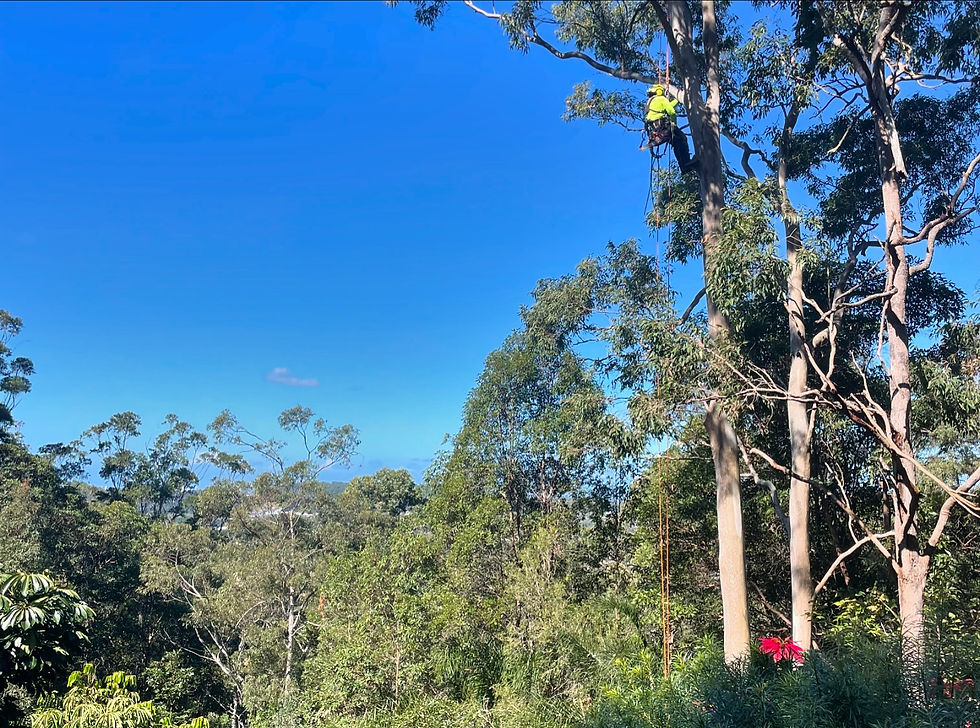
Removing dead or diseased branches is crucial for tree health. This process allows the tree to dedicate energy to healthy sections and can help prevent the spread of diseases. Aim to cut these branches back to where they meet a healthy branch or the trunk.
4. Removal of suckers
Suckers represent a tree's effort to produce additional branches, typically as a reaction to injury. When the roots sustain damage, suckers can emerge from the lower part of the trunk. Conversely, if suckers develop higher up on the trunk, they are referred to as waterspouts, often appearing at locations of pruning wounds, cracks, or other forms of damage. Removing these helps redirect any nutrients and water to other limbs and branches that need it.
Post-Pruning Care
After pruning, it’s essential to care for the tree to aid recovery. Watering the tree can help it bounce back from the stress of pruning. Adding mulch around the base can retain moisture and improve the soil's health.
It is wise to hold off on fertilizing right after pruning. Fertilizing too soon can promote rapid growth that the tree may struggle to sustain. Wait a few months before considering any additional nutrients.
Common Mistakes to Avoid
Pruning can be rewarding, but many novice gardeners make mistakes that can hurt the tree. Here are some pitfalls to avoid:
Over-pruning: Cutting too much can exhaust the tree and stunt growth. Always prune with caution.
Incorrect cuts: Make cuts close to a bud or branch without leaving stubs. Bad cuts can lead to decay and invite pests.
Ignoring tree species: Different trees have unique pruning requirements. Research your specific tree species to ensure you meet their needs.
Final Thoughts
Mastering the art of tree pruning is essential for anyone who owns trees. By understanding why pruning matters, knowing which tools to use, and applying the right techniques, you can greatly improve your trees' health and longevity.
Pruning not only beautifies your property but also promotes vigorous tree growth. By paying attention to timing and techniques, you can grow trees that thrive and contribute positively to your landscape.
With a thoughtful approach to tree pruning, both novice and experienced gardeners can refine their skills, resulting in a stunning display of healthy trees.
If you still are not confident to tackle the task of pruning your yourself, or maybe the size of the tree is a bit beyond your abilities. Don't hesitate to contact us or another local arborist in your area.
Remember to use those who are reputable and have the right insurance so that there is no problems.
Call us today on 0492 965 396


Comments